Your HOME is always telling you something
Why it matters? What to look for? When to call a professional? Want to understand HOME better? Explore Behind the Walls →
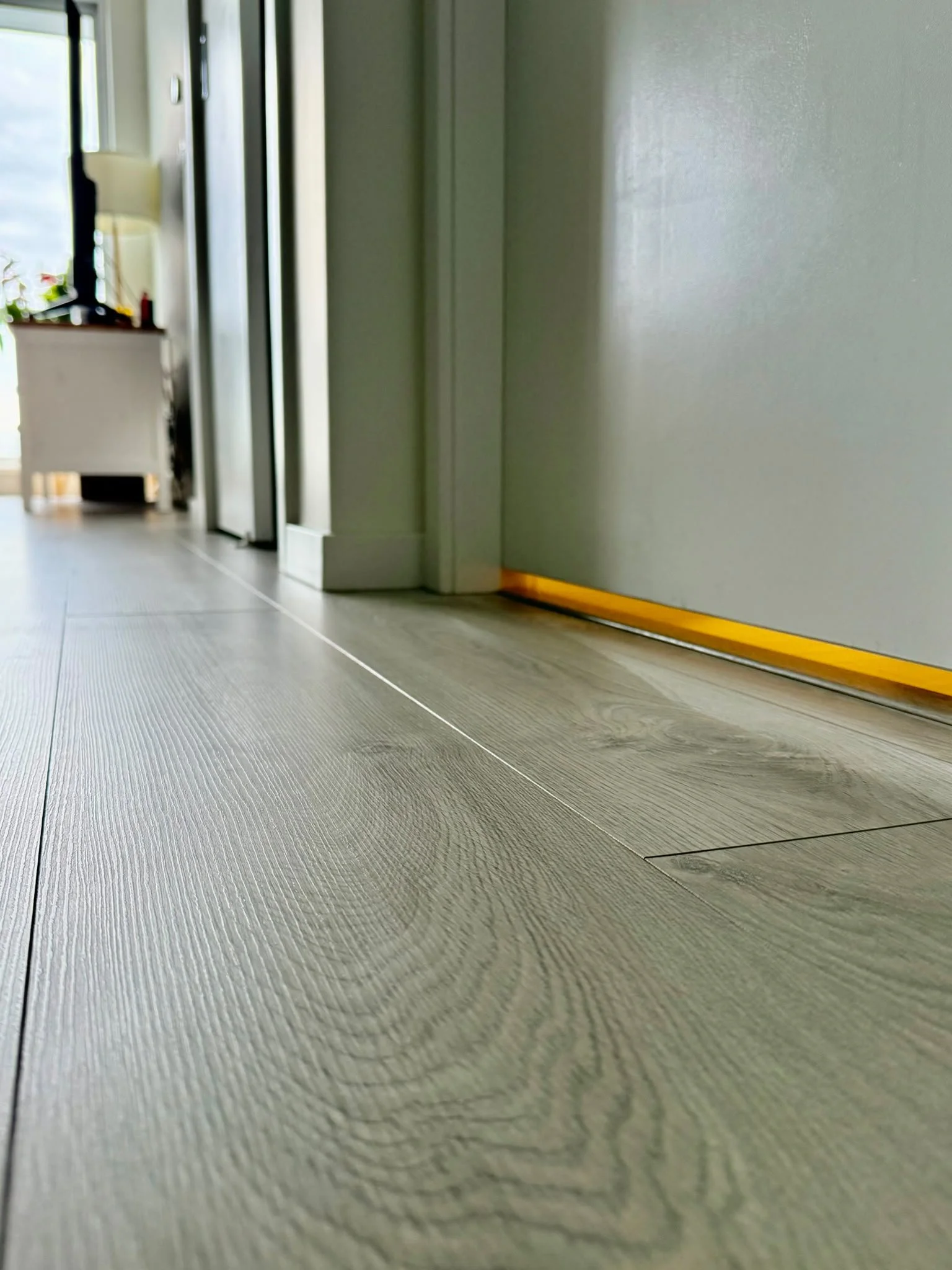
DOOR UNDERCUT
A small gap. A bigger purpose.
That space beneath your door is not always a mistake.
It can help air move between rooms and support the return-air path of your HVAC system. Sealing it without understanding the airflow can affect ventilation, comfort and system performance.
Some details are small by design.
Understand them before you change them.
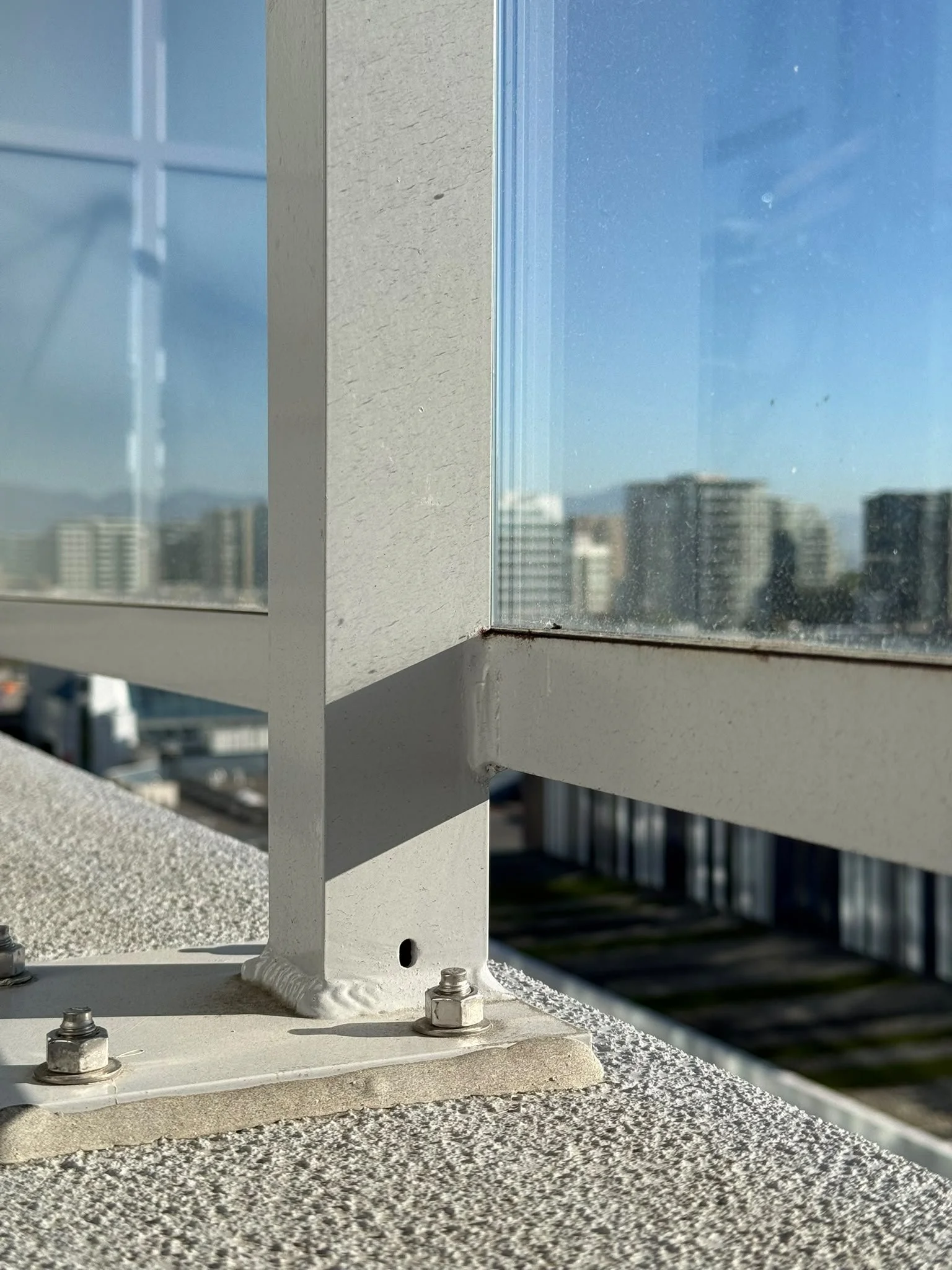
BALCONY RAILING DRAIN HOLE
That small hole is there for a reason.
The tiny opening at the bottom of a balcony railing helps water drain away instead of collecting inside the railing or around its base.
It may look insignificant.
But blocking it can trap moisture where you cannot see it.
Small detail. Hidden function.
Look before you seal.
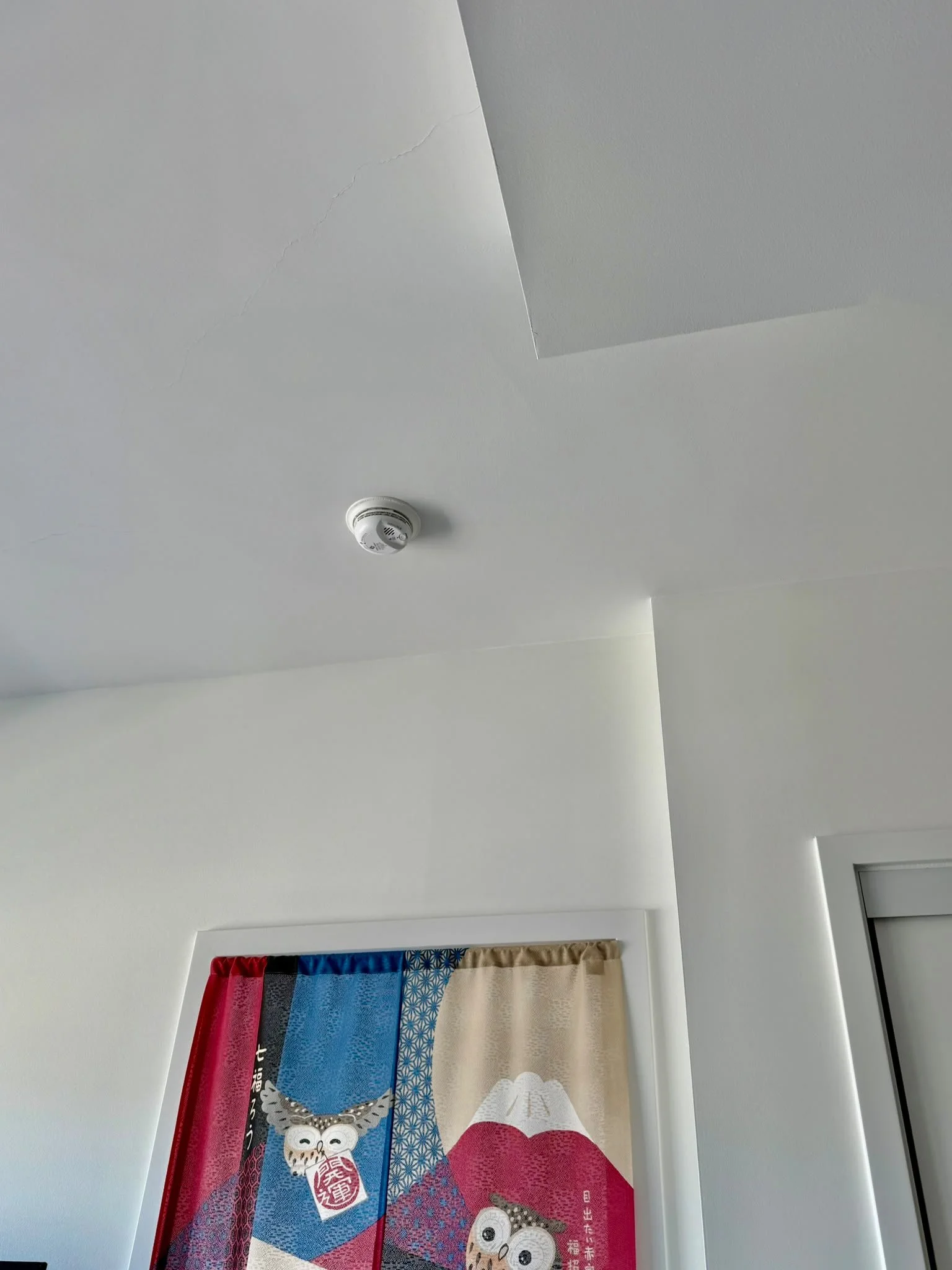
SMOKE DETECTOR ≠ CO DETECTOR
They detect different threats.
A smoke detector alerts you to smoke from a fire.
A carbon monoxide (CO) detector detects carbon monoxide — an invisible, odourless gas that can be produced by fuel-burning appliances.
One does not replace the other.
Different risks. Different protection.
Know what each detector is designed to detect.
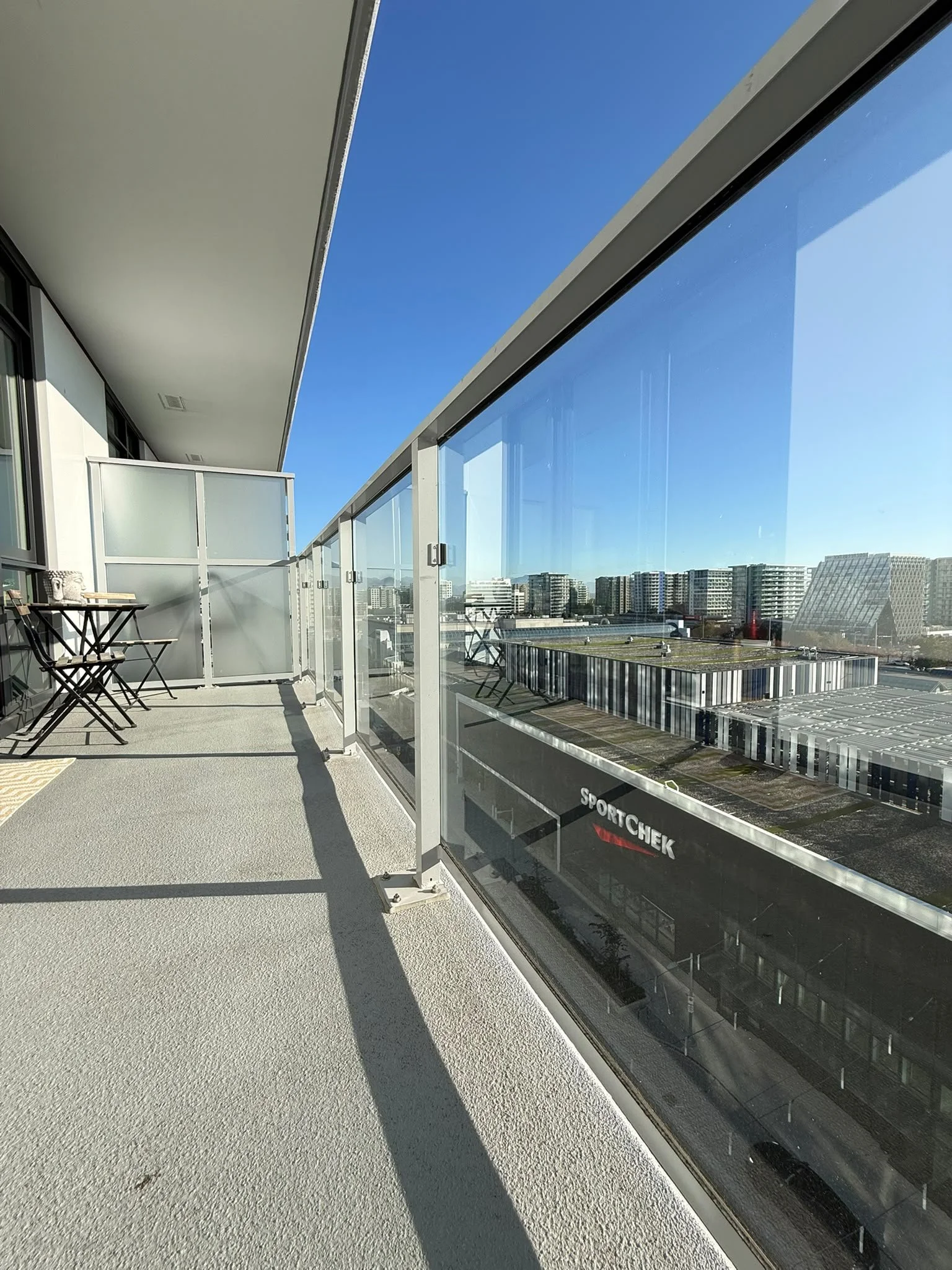
SAFETY GLASS
Not all glass is made for the same risk.
Glass near doors, stairs, bathrooms and other impact-prone areas may require safety glazing designed to reduce the risk of serious injury if broken.
The glass may look ordinary.
The difference is often in what happens when it fails.
Look at where the glass is.
Then ask what happens if it breaks.
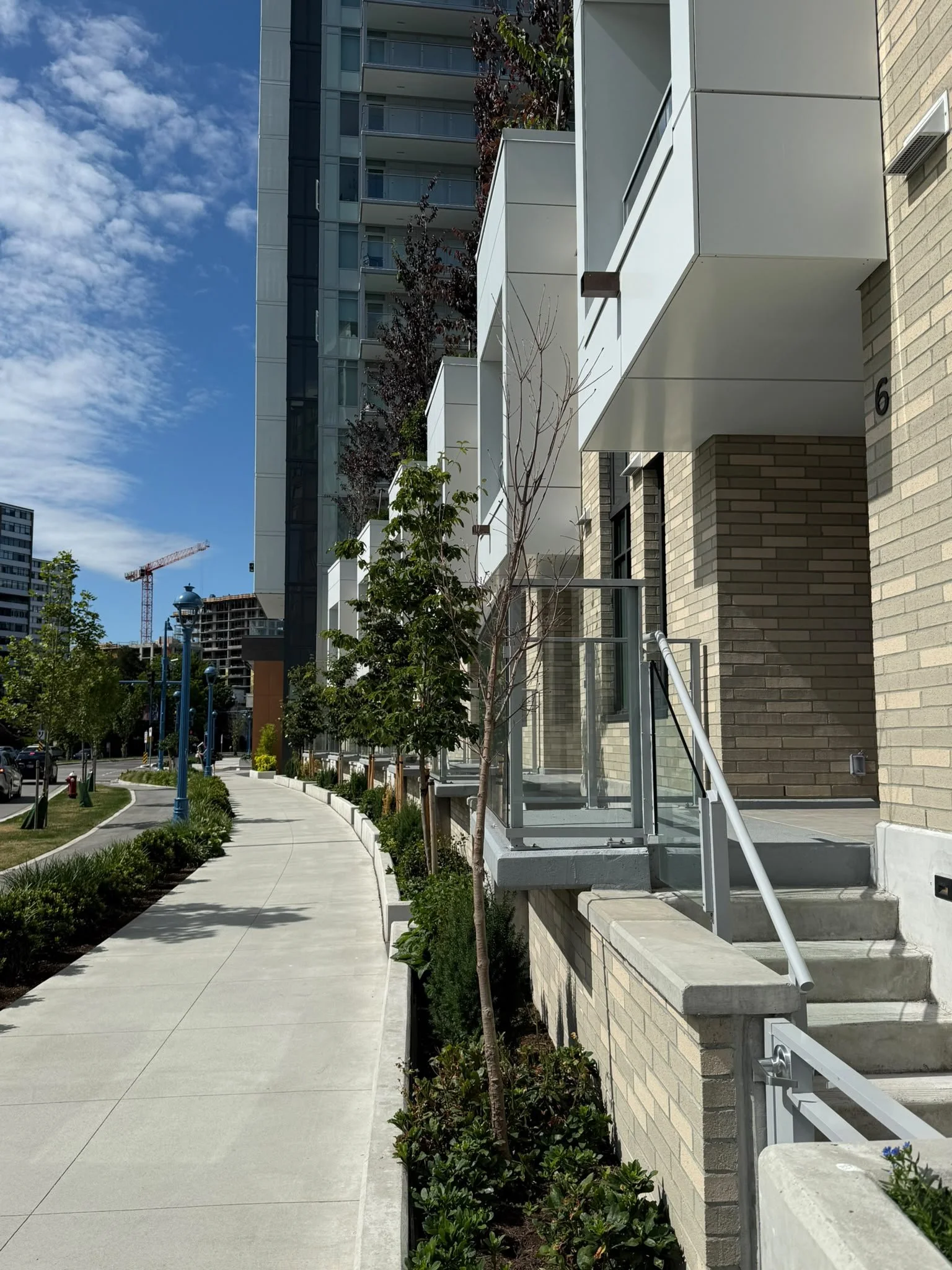
STAIR SAFETY
Every step should feel predictable.
A safe staircase is more than just solid construction.
Consistent step heights, adequate tread depth, secure handrails and clear, slip-resistant surfaces all help reduce the risk of missteps and falls.
Small differences between steps may be easy to overlook — until your foot notices them first.
Consistency matters.
Every step counts.
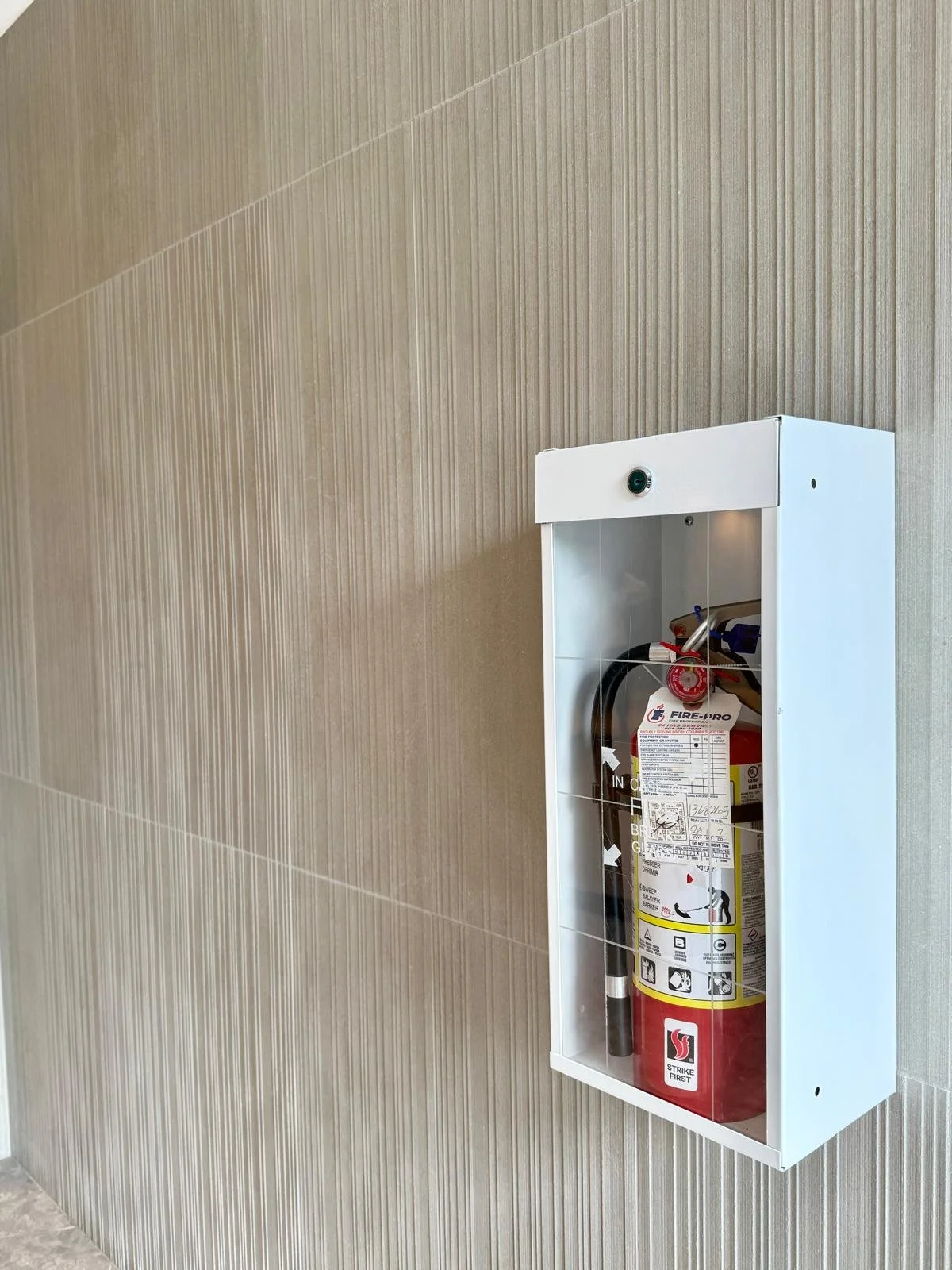
FIRE EXTINGUISHER
Having one is not enough.
Different fires require different types of extinguishers.
A fire extinguisher should be accessible, clearly identified and suitable for the type of fire it may need to handle. Knowing what it is designed for matters just as much as knowing where it is.
The right extinguisher.
The right fire.
The right moment.
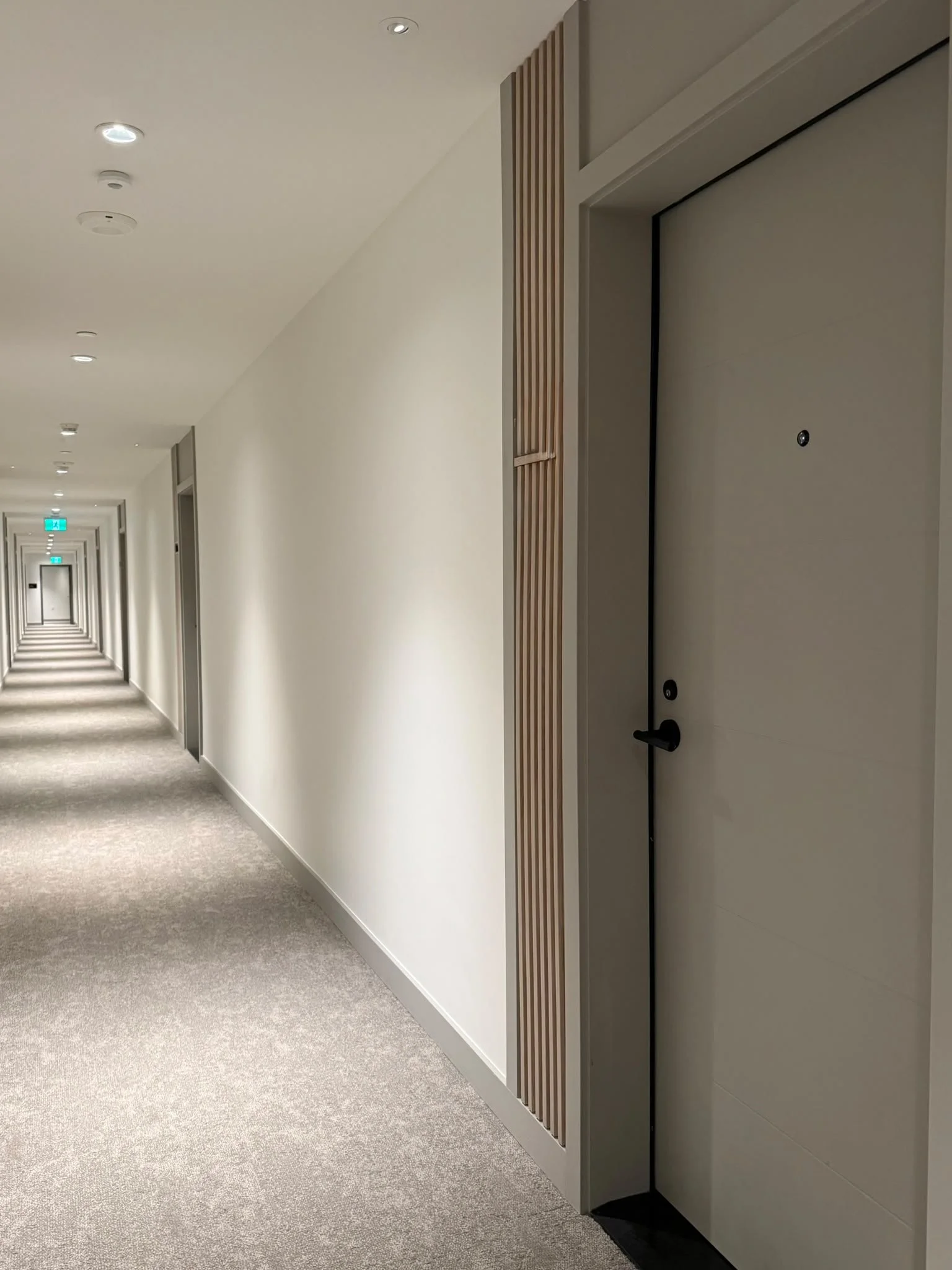
FIRE-RATED DOOR
It’s not just a door.
A fire-rated door is part of a tested fire-resistance assembly — including the door, frame, hardware and closer.
Replacing, propping open or modifying one component can affect how the assembly performs when it matters most.
It may look like a door.
Its purpose is much bigger.
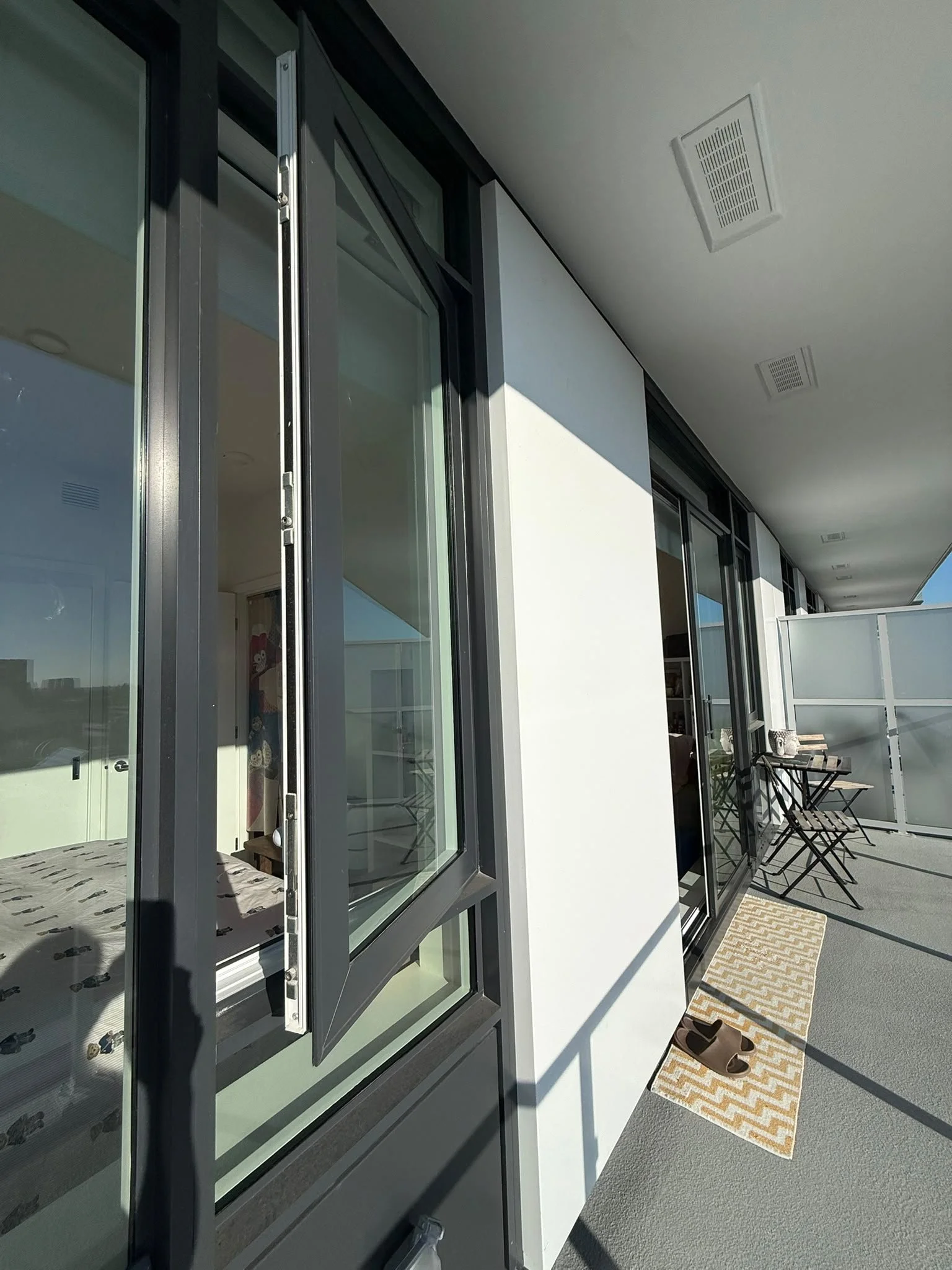
DOUBLE-GLAZED WINDOWS
Foggy glass doesn’t always mean a failed window.
Condensation on the room-side surface is often caused by indoor humidity and a cold glass surface.
But if moisture or fog appears between the two panes, the insulating seal may have failed, allowing moisture to enter the sealed space.
Same fog. Different cause.
Look at where it forms before you call it a problem.
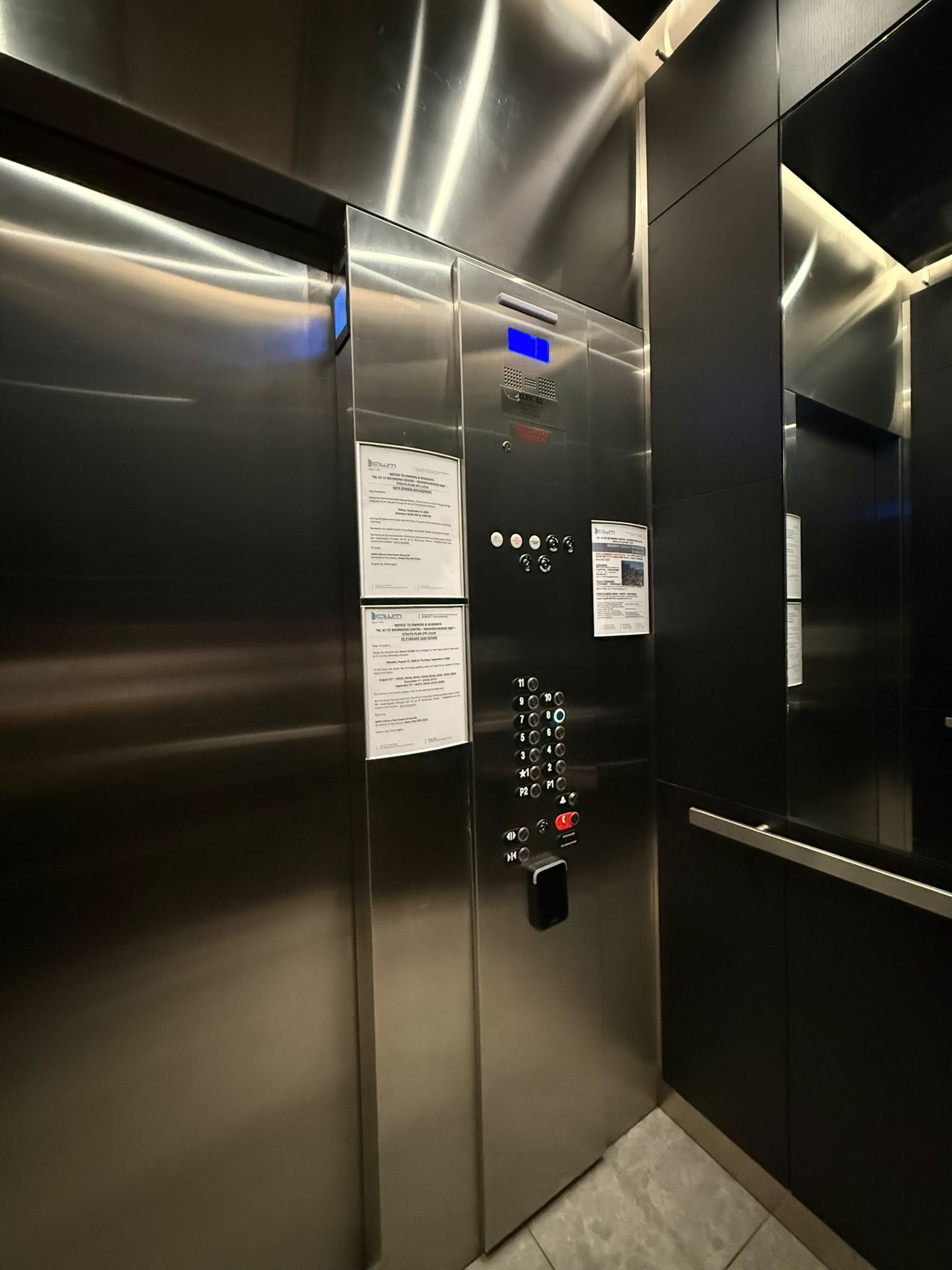
ELEVATOR EARTHQUAKE MODE
When the ground moves, the elevator may respond differently.
Modern elevators may be equipped with earthquake-related safety functions that can automatically stop or redirect the elevator when seismic activity is detected.
But the key rule is simple:
If an earthquake occurs, don’t rely on the elevator.
Use the stairs when it is safe to do so.
Know the system.
Know what to do when it matters.
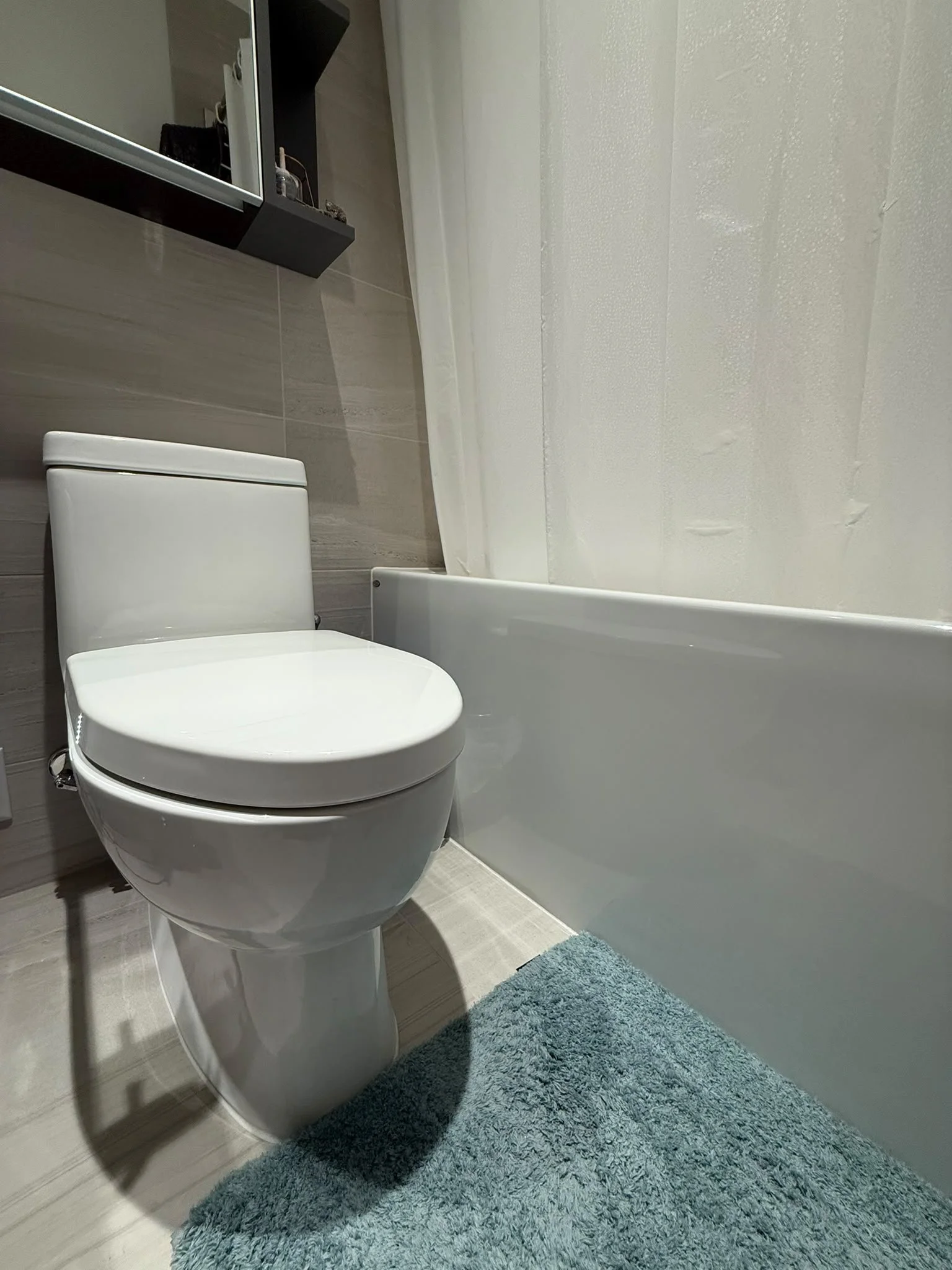
TOILET LEAK CHECK
A drop of food colouring can reveal a hidden leak.
Add a few drops of food colouring to the toilet tank and wait without flushing.
If the coloured water appears in the bowl, water may be leaking through the toilet’s flush valve or flapper.
It’s a simple first check — but it can reveal a problem you may never hear or see.
Small test. Hidden clue.
Worth checking before water goes to waste.